
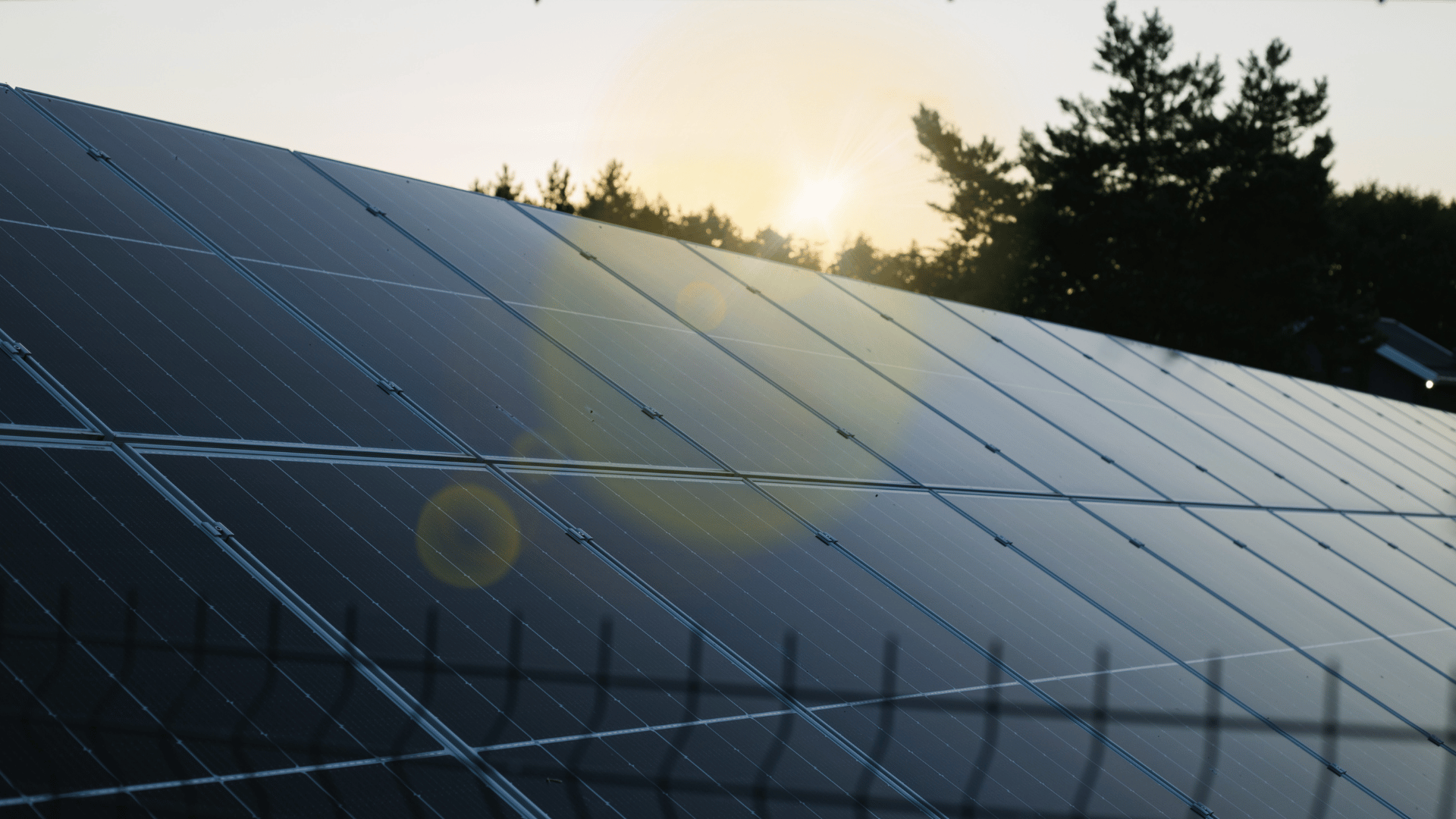
Solar and battery storage with no upfront cost
In England, a domestic Power Purchase Agreement means a third-party solar company funds, installs, and maintains the system on your roof. You simply buy the clean electricity it generates at a fixed rate below standard grid prices.
What is a domestic PPA?
A simple way to go solar without the capital outlay
A domestic Power Purchase Agreement — often called a residential PPA or "free solar" agreement — is a contract model where a third-party solar company funds, installs, and maintains a solar PV (and sometimes battery) system on a homeowner's property at zero upfront cost. Instead of paying for the hardware and installation, you agree to purchase the clean electricity generated by the system at a fixed, pre-agreed rate per kWh that is significantly cheaper than standard grid prices.
How it works
How a Domestic PPA Works
Installation & Ownership
The PPA provider designs, finances, and installs the solar panels on your roof. The provider retains ownership of the equipment for the duration of the contract.
Buying the Power
You buy the electricity generated on your roof directly from the solar provider. The PPA unit rate (typically 10p–14p per kWh) is locked in or pegged below standard retail grid tariffs (which typically run ~24p–28p per kWh).
Maintenance & Insurance
Because the provider owns the asset, they handle all ongoing operation, repairs, monitoring, and maintenance over the life of the agreement.
Contract Length
Agreements are long-term, typically spanning 10 to 25 years.
End of Term
Once the contract expires, homeowners usually have the option to extend the PPA agreement, purchase the system outright at fair market value, or request that the provider remove the equipment free of charge.
Key Benefits
- £0 Upfront Outlay: No capital investment required for panels, inverters, or installation.
- Immediate Energy Savings: Reduced unit prices on daytime electricity used directly from the roof.
- Hedge Against Volatility: Provides budget predictability by shielding a portion of your usage from grid price spikes.
- Hands-Off Maintenance: The provider absorbs the risk and cost of component failures or panel degradation.
Considerations & Drawbacks
- Property Sales & Mortgages: Because the system is owned by a third party leased over the roof, selling your home requires the new buyer to take over the PPA contract. Mortgage lenders in the UK often require specific clause checks regarding third-party roof leases.
- Lower Total ROI: While you save money from day one, total long-term savings are lower compared to buying a solar PV system outright, as the provider retains a margin on the generated power.
- Export Earnings: Depending on the contract structure, the PPA provider may retain the rights to the Smart Export Guarantee (SEG) payments for excess electricity exported back to the grid.
Likely to suit you if…
- You own your home and plan to stay for the medium term.
- Your roof is in good condition and faces a suitable direction.
- You use a reasonable amount of electricity during the day.
Less suitable if…
- You are likely to move home in the next few years.
- Your roof needs structural work or replacement first.
- You would rather own the system outright from day one.
If you would rather own the system outright, see our Solar PV Systems page.
Common questions
Domestic PPA FAQ
Get started
Find out if a domestic PPA works for your home
Enter your details and we will check your roof suitability and usage profile before arranging a survey.
14-day cancellation rights apply. Subject to survey, credit and mortgage lender consent.